

The European civilizational crisis
Why new civilizations cannot be designed

Europe is showing many of the symptoms of what Oswald Spengler described as civilizational exhaustion.
When it appeared, Christianity was one of the highest expressions of the European spirit. Rather than a rupture, it originally gave form to some of Europe’s deepest beliefs, myths, and cultural identity, providing a shared vision of reality for centuries.
Today, however, that foundation is weakening.
Europe still believes in human dignity, equality, universal rights, care for the weak, and moral progress. But these ideas emerged from Christianity and Europe is attempting to preserve the fruits while abandoning the roots.
The symbols, stories, and institutions that once gave coherence to European life no longer carry the same force. And its people experience a growing sense of disorientation, fragmentation, and meaninglessness.
Europe once possessed:
Myth
Sacred order
Artistic destiny
Historical consciousness
Metaphysical vision
As this deeper cultural inheritance fades, European identity is increasingly defined in procedural terms:
Democracy
Elections
Transparency
Rule of law
But procedure alone cannot generate meaning, sacrifice, or collective destiny.
One of Spengler’s central insights was that once myth and meaning must be consciously manufactured, a civilization is already entering exhaustion. Genuine civilizational vitality is organic, unconscious, and symbolically alive.
In this context, Europe faces a deeper question than politics or economics:
Should Europe seek a renewed Christianity ?
A revival of older European wisdom traditions ?
Attempt a new synthesis between Christianity, science and modern culture ?
Or move toward an entirely new metaphysics and understanding of reality ?
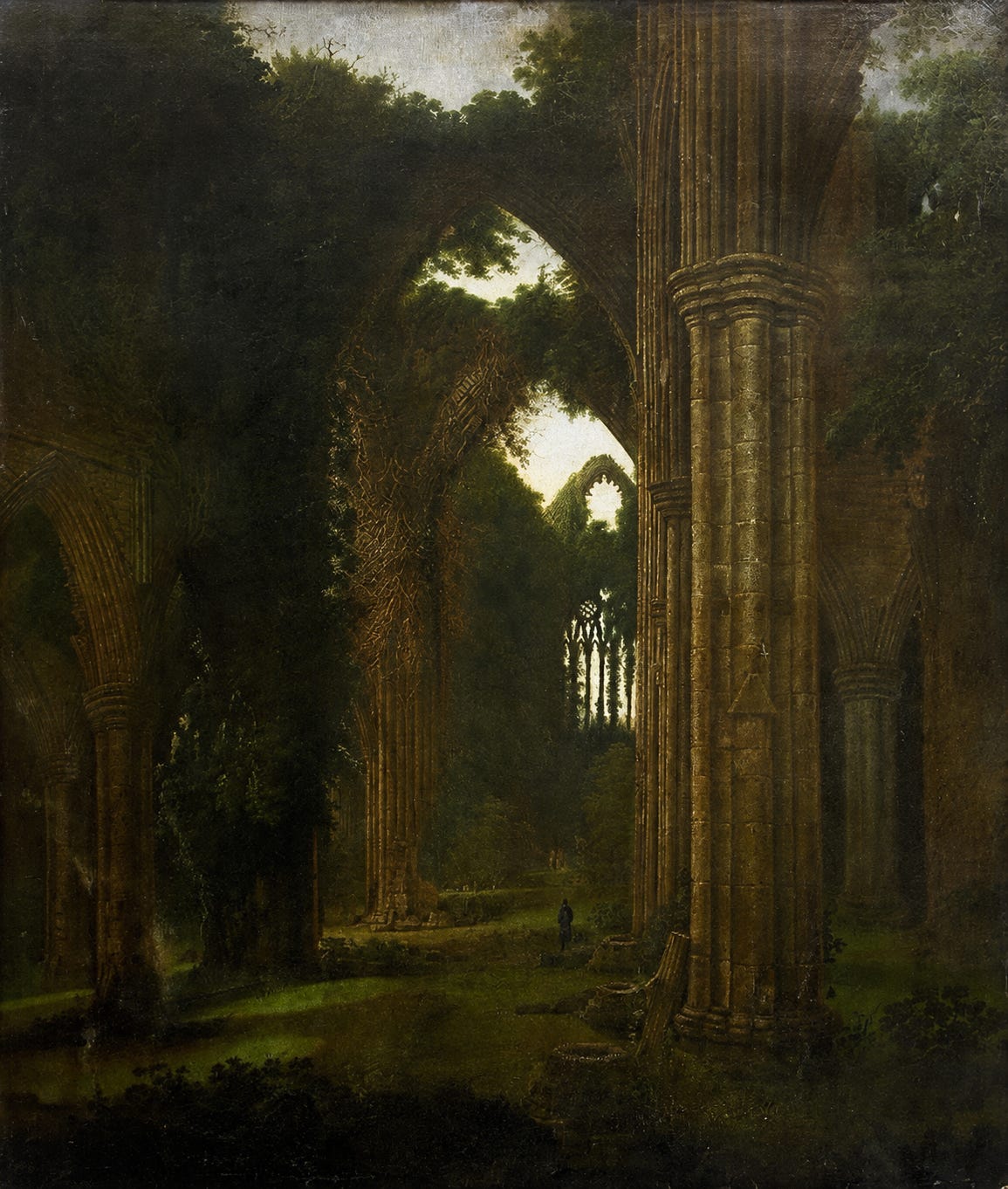
Civilizations decline symbolically before they decline materially.
Spengler sees late civilizations as becoming increasingly intellectual, rational, and self-aware. The shift from living the symbol to analyzing the symbol is itself evidence of civilizational aging. What was once a creative force and living source of meaning becomes an object of historical, psychological, and political analysis.
Europe once lived Christianity as a symbolic reality. Today it studies Christianity historically, psychologically, and politically.
This is why deliberate civilizational engineering so often fails.
The first Christians were not trying to build Christendom. The Benedictines were not trying to create medieval Europe. The Florentine humanists were not trying to launch the Renaissance.
The people who talk most about creating a new civilization are often the least capable of doing it. Cultures cannot be designed into existence through manifestos, conferences, strategy documents, or ideology. New civilizations emerge from deep symbolic sources that nobody fully controls.
The task therefore shifts from trying to create a new civilization to cultivating the conditions for cultural renewal: preserving what remains alive while bringing seemingly opposing forces into new creative relationship.
But if civilizations cannot be consciously engineered, how do they actually renew themselves?
History suggests that renewal often begins in semi-marginal communities experimenting with new forms of life.
The central question is therefore not how to invent a civilization, but how civilizations have historically renewed themselves.
In Part 2, we will explore the seed forms of cultural renewal, the communities that carried meaning through periods of decline, why successful renewals emerged through recombination rather than restoration, and what monasteries, artistic movements, scientific societies, and new forms of community can teach us about the conditions from which future civilizations emerge.
The distinction may ultimately not be between old and new, progressive and conservative, secular and religious. It may be between forms of meaning that remain conceptual and forms of meaning that become lived, embodied, and transmissible.
Meaning must become experiential, not conceptual.
A view I resonate so much with, dear Timothée. Thank you for talking about it in this article. My life experience teaches me also that before embodying a new, alive meaning and myth, a form of death needs to occur. Sometimes the engineering approach may be a way of fear, terror, and reactive control in front of this inevitable part of the renewal cycle. (both at the individual and at the collective level). "Engineering" wants the new while denying death and the pain (which is one of the biggest issues of our Western culture)
Brilliant post, Tim. I deeply resonate with it. I especially love "forms of meaning that become lived, embodied, and transmissible." Can you describe your own sense of meaning that you are living out in these times of metamorphosis?